Your home’s exterior takes a beating from the elements. Dirt, algae, mold, and grime build up over time, making even well-maintained properties look tired and neglected. When it’s time to clean, you face an important decision: should you use high-powered pressure washing or the gentler soft washing approach? The choice between soft washing vs pressure washing can mean the difference between a spotless home and costly damage to your siding, roof, or painted surfaces.
This guide breaks down both methods, explains when to use each one, and helps you make the right call for your property. You’ll learn which surfaces require a gentle touch and which can handle more aggressive cleaning power.
What Is Pressure Washing?
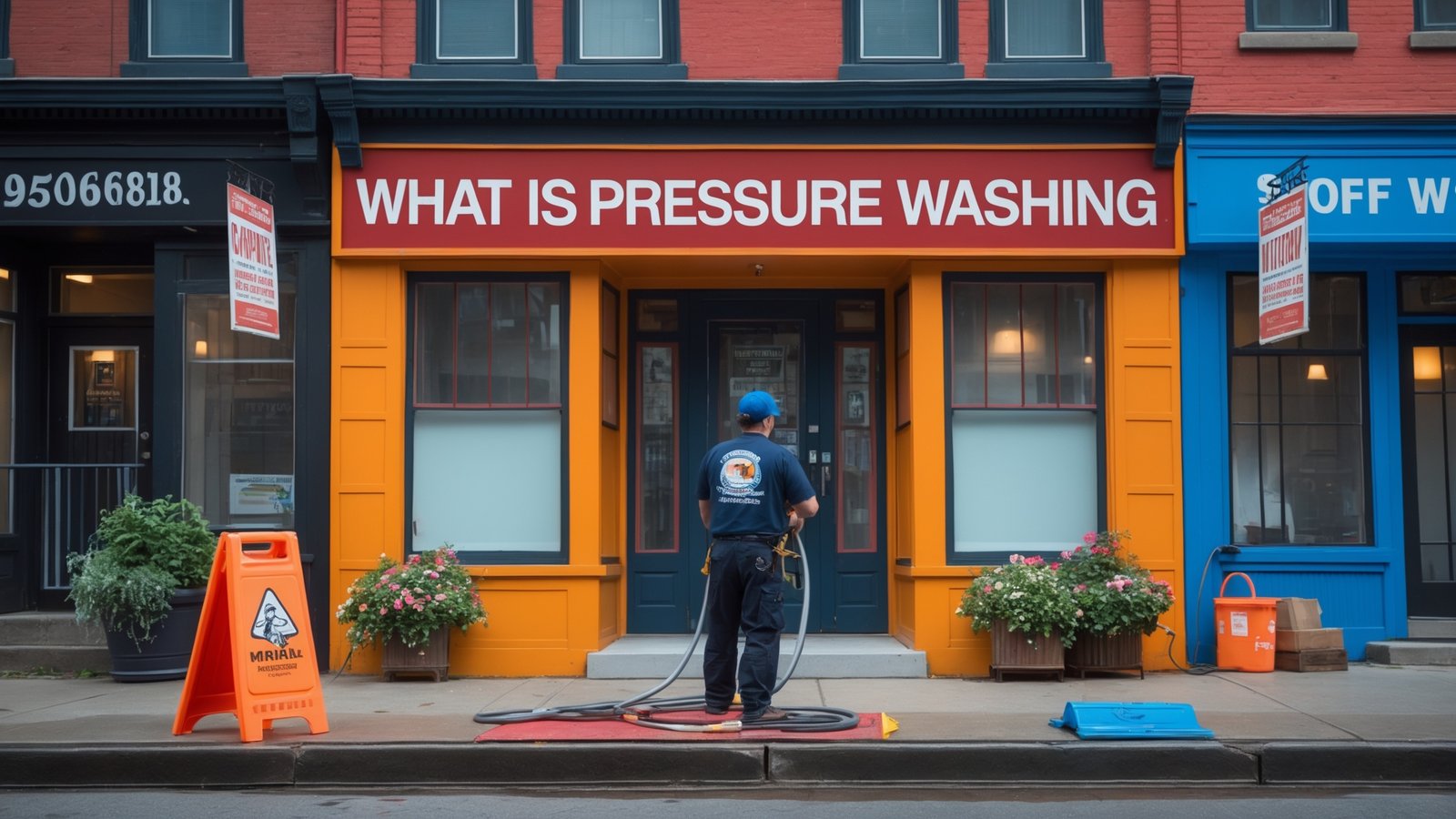
Pressure washing uses high-pressure water to blast away dirt, grime, and stains from hard surfaces. The equipment forces water through a narrow nozzle at pressures ranging from 1,300 to 3,000 PSI (pounds per square inch) or higher.
The intense water pressure physically strips away surface contaminants. It works fast and delivers dramatic results on concrete, brick, stone, and other durable materials. You can see the difference instantly as years of buildup wash away.
This method excels at removing stubborn stains, oil spots, graffiti, and heavily caked-on mud. Driveways, sidewalks, parking lots, and retaining walls are ideal candidates for pressure washing.
However, that same power that makes pressure washing effective also makes it risky for softer materials. The high-pressure stream can damage wood, strip paint, crack vinyl siding, force water behind exterior cladding, and destroy window seals.
What Is Soft Washing?
Soft washing takes the opposite approach. Instead of relying on water pressure, this method uses specialized cleaning solutions to break down dirt, algae, mold, and organic stains. The cleaning agents do the heavy lifting, not the water pressure.
The equipment delivers cleaning solutions at pressures around 100 to 500 PSI, roughly the same force as a garden hose. The low pressure means no risk of surface damage, even on delicate materials like painted wood, vinyl siding, stucco, and roof shingles.
The cleaning solutions used in soft washing contain surfactants, algaecides, and mildewcides that kill organic growth at the root. This means surfaces stay cleaner longer compared to pressure washing, which only removes surface growth without killing the spores.
Soft washing typically keeps surfaces clean for 4 to 6 times longer than pressure washing alone. The antimicrobial treatments prevent regrowth, while pressure washing allows algae and mold to return within months.
Key Differences Between Soft Washing vs Pressure Washing
Understanding the core differences helps you choose the right method for each surface around your property.
Water Pressure Levels
Pressure washing operates at 1,300 to 4,000 PSI depending on the application. Soft washing maxes out around 500 PSI. That difference matters enormously when you’re cleaning materials that can be damaged by excessive force.
High pressure can etch concrete, splinter wood, tear through window screens, and force water into wall cavities where it causes rot and mold growth inside your walls.
Cleaning Chemistry
Pressure washing relies primarily on mechanical force. Water alone does the cleaning. Some operators add mild detergents, but the water pressure does most of the work.
Soft washing depends on professional-grade cleaning solutions formulated to kill biological growth and dissolve dirt. The chemicals break molecular bonds, making contaminants easy to rinse away with low-pressure water.
Surface Safety
Soft washing is safe for virtually all exterior surfaces, including roof shingles, painted siding, vinyl, wood decks (with appropriate solutions), stucco, and EIFS (synthetic stucco). The low pressure eliminates the risk of physical damage.
Pressure washing works best on hard, non-porous surfaces like concrete, brick, stone pavers, and metal. Using high pressure on softer materials often creates more problems than it solves.
Longevity of Results
Because soft washing kills organic growth at the source, treated surfaces stay cleaner much longer. The antimicrobial treatments continue working after application, preventing new growth.
Pressure washing removes visible dirt but doesn’t kill spores and roots. Algae, mold, and mildew regrow quickly, often within a single season.
When to Use Pressure Washing
Pressure washing shines in specific applications where durability and heavy buildup meet.
Concrete surfaces like driveways, sidewalks, and garage floors benefit from high-pressure cleaning. Oil stains, tire marks, and embedded dirt come up easily under pressure.
Brick and stone patios, walkways, and retaining walls handle pressure washing well. The porous nature of these materials means surface dirt gets embedded, and pressure washing pulls it out effectively.
Metal surfaces including fences, railings, and commercial buildings with metal siding can be pressure washed safely when done correctly.
Preparation for painting or staining often requires pressure washing to remove old, loose paint and ensure proper adhesion of new coatings.
Pro Tip: Even on hard surfaces, using the wrong nozzle or holding the wand too close can cause etching and damage. Professional operators adjust pressure, nozzle angle, and distance based on the specific material.
When to Use Soft Washing
Soft washing is the preferred method for most residential exterior cleaning projects.
Roof cleaning should always use soft washing. High pressure damages shingles, breaks seals, and forces water under roofing materials. Soft washing safely removes black algae streaks, moss, and lichen without compromising roof integrity.
Vinyl and fiber cement siding cleans beautifully with soft washing. The method removes mold, mildew, and dirt without risking cracks, holes, or water intrusion behind the siding.
Painted surfaces on wood, metal, or composite materials need the gentle approach. Pressure washing strips paint and damages finishes.
Stucco and EIFS are particularly vulnerable to pressure washing. The high pressure can create pits, remove texture, and force water into the substrate where it causes serious damage.
Windows and screens obviously can’t handle high pressure. Soft washing cleans glass and screens thoroughly without damage.
Decks and fences made from wood or composite materials preserve their finish and structural integrity when soft washed rather than pressure washed.
Cost Comparison and Value
Pressure washing typically costs less per square foot than soft washing because it requires less specialized knowledge and fewer expensive cleaning solutions. You might pay $0.08 to $0.35 per square foot for pressure washing concrete or brick.
Soft washing generally runs $0.30 to $0.75 per square foot depending on the surface, accessibility, and level of contamination. The higher upfront cost reflects the professional-grade chemicals, specialized equipment, and expertise required.
However, soft washing delivers better long-term value. Because it keeps surfaces cleaner 4 to 6 times longer, you clean less frequently. If pressure washing requires annual cleaning but soft washing lasts four years, the total cost over time actually favors soft washing.
Additionally, soft washing prevents damage that pressure washing can cause. Replacing damaged siding, repairing roof leaks, or repainting stripped surfaces costs far more than choosing the right cleaning method from the start.
Return on Investment
Clean exteriors increase curb appeal and property value. Studies show that exterior cleaning can boost home value by 5 to 10 percent and help homes sell faster.
Regular maintenance with the appropriate cleaning method also extends the life of your siding, roof, and painted surfaces by removing damaging organic growth before it causes deterioration.
Common Mistakes to Avoid
Many property owners and inexperienced cleaning companies make avoidable errors when choosing between soft washing vs pressure washing.
Using high pressure on roofs is the most damaging mistake. It strips granules from asphalt shingles, shortening roof life by years and voiding warranties.
Applying the wrong cleaning solutions can kill plants, damage surfaces, or fail to clean effectively. Professional soft washing requires knowledge of chemical dilution ratios, dwell times, and proper rinsing techniques.
Skipping surface testing leads to surprises. Always test cleaning methods on a small, inconspicuous area before treating the entire surface.
Ignoring weather conditions affects results. Cleaning in direct sunlight causes solutions to dry too quickly. Rain within 24 hours can wash away treatments before they work fully.
Neglecting surrounding landscaping results in damaged or dead plants. Proper soft washing includes pre-wetting vegetation, covering sensitive plants, and thorough rinsing.
Key Takeaway: The most expensive cleaning job is the one that damages your property. Choosing the wrong method or hiring an inexperienced operator can cost thousands in repairs.
DIY vs Professional Service
Rental pressure washers are widely available, and some homeowners attempt DIY soft washing with consumer-grade equipment. While this works for simple projects, most exterior cleaning benefits from professional service.
Professional equipment delivers consistent pressure and chemical application. Experienced technicians know exactly which method suits each surface, how to protect landscaping, and how to reach difficult areas safely.
Insurance and licensing protect you from liability. If something goes wrong during a DIY project, you’re responsible for all damage and injuries. Licensed professionals carry insurance that covers accidents and damage.
Time and safety matter too. Working on ladders, handling cleaning chemicals, and operating high-pressure equipment all carry risks. Professionals have the training and safety equipment to work efficiently without injury.
What to Expect from Professional Service
When you hire a professional exterior cleaning company in the Blaine, Coon Rapids, or Spring Lake Park area, the process should include several key steps.
A thorough assessment identifies which surfaces need soft washing and which can handle pressure washing. The technician examines your siding, roof, deck, driveway, and other areas to create a customized cleaning plan.
Pre-treatment protects landscaping, outdoor furniture, and other items that might be affected by cleaning solutions or runoff. Plants get watered and covered as needed.
Application follows manufacturer guidelines for chemical dilution and dwell time. Soft washing solutions need time to work before rinsing.
Rinsing removes all cleaning residue, leaving surfaces clean and free of chemical buildup. Proper rinsing is just as important as application.
Post-treatment inspection ensures complete coverage and customer satisfaction. Reputable companies guarantee their work and address any concerns immediately.
Frequently Asked Questions
Can soft washing damage my plants?
When done correctly, soft washing is safe for landscaping. Professional technicians pre-wet plants, use plant-safe solutions or appropriate dilutions, and rinse thoroughly. The cleaning agents break down quickly and don’t harm vegetation when proper protocols are followed. Reputable companies take extra care to protect your landscaping.
How often should I have my home soft washed or pressure washed?
Most homes benefit from soft washing every 2 to 4 years, depending on shade coverage, proximity to trees, and local climate. Driveways and concrete surfaces may need pressure washing annually or every other year in high-traffic areas. Homes with significant tree coverage or in humid climates may need more frequent cleaning.
Will soft washing remove all stains from my siding?
Soft washing excels at removing organic stains like algae, mold, mildew, and dirt. It also handles most environmental staining. However, some stains such as rust, certain dyes, or stains that have penetrated porous materials may require additional treatment or may be permanent. A professional assessment can tell you what results to expect.
Is pressure washing bad for my driveway?
Pressure washing is generally safe and effective for concrete driveways when done properly. However, excessive pressure, the wrong nozzle, or holding the wand too close can etch the surface and create visible lines. Older or damaged concrete is more vulnerable. Professional operators adjust pressure and technique to clean effectively without damage.
Can I pressure wash my roof to remove algae?
You should never pressure wash a roof. High pressure strips protective granules from asphalt shingles, breaks seals, and can force water under roofing materials. This leads to leaks, shortened roof life, and voided warranties. Soft washing safely removes algae, moss, and stains while preserving roof integrity and maintaining manufacturer warranties.
Making the Right Choice for Your Property
The decision between soft washing vs pressure washing comes down to surface type and cleaning goals. Hard surfaces like concrete and brick handle pressure washing well, while roofs, siding, and painted surfaces require the gentler soft washing approach. Choosing the right method protects your investment and delivers results that last.
Reveal Window Washing serves homeowners and businesses throughout Blaine, Fridley, Brooklyn Park, and surrounding communities with professional soft washing and pressure washing services. Our team knows exactly which method suits each surface on your property, and we back every job with a 100% satisfaction guarantee.
Ready to restore your home’s exterior the right way? Call +12185371577 to schedule your free assessment and discover which cleaning method will give your property the care it deserves.